
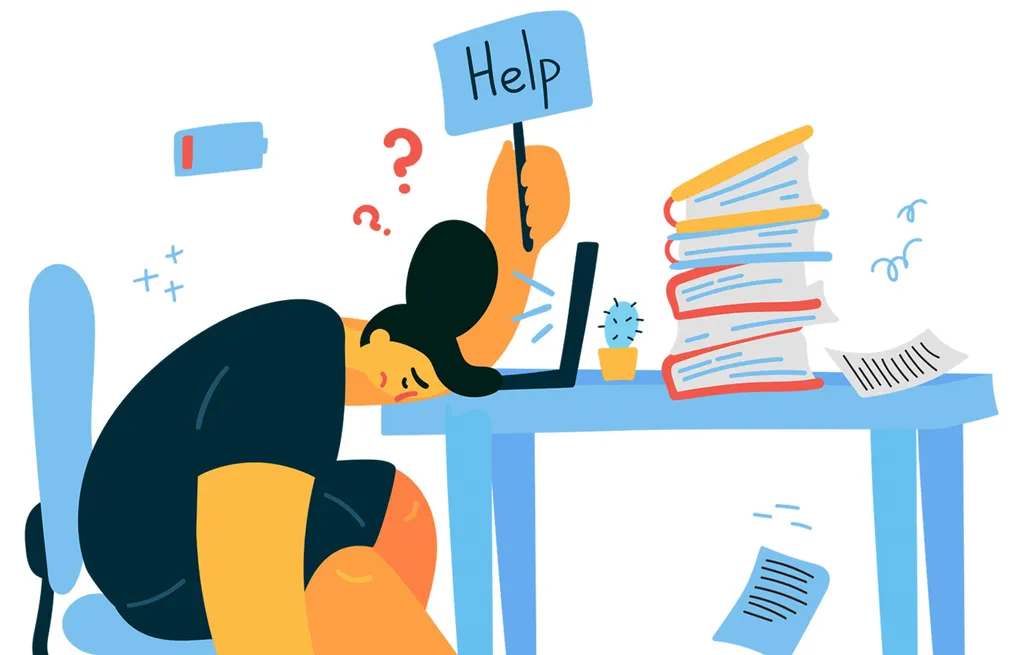
Sometimes being tired makes sense.
You had a long week. You didn’t sleep enough. You’ve been taking care of other people, managing work, studying, dealing with stress, or simply trying to keep up with everything life is asking of you.
So you rest.
But what happens when the exhaustion doesn’t really go away?
You sleep, but still feel drained. Small responsibilities feel overwhelming. Things you normally enjoy don’t feel as enjoyable. You become more irritable, withdrawn, or emotionally numb. You may even find yourself thinking, “I don’t know what’s wrong with me. I just feel completely done.”
Sometimes, this can be a sign that you’re experiencing emotional burnout.
Burnout is not simply about being tired. It can happen when prolonged stress and emotional demands leave you feeling depleted, disconnected, and unable to keep functioning at the pace you’ve been maintaining.
What Is Emotional Burnout?
Emotional burnout can develop when you’re exposed to ongoing stress without having enough opportunity to recover.
It can happen because of work, school, caregiving, relationships, financial pressure, major life changes, or a combination of several demands at once.
You don’t necessarily have to be working long hours to experience burnout.
You may be constantly supporting other people. You may feel responsible for keeping everything together. You may have difficulty saying no or asking for help. Or you may have been pushing through a stressful situation for so long that you’ve stopped noticing how much it is affecting you.
Over time, your emotional and mental resources can begin to feel depleted.
This can leave you thinking:
- “I don’t have anything left to give.”
- “Everything feels like too much.”
- “I just want everyone to leave me alone.”
- “I can’t remember the last time I actually felt rested.”
- “I’m getting through the day, but I’m not really enjoying my life.”
What Are the Signs of Emotional Burnout?
Burnout can look different from person to person. Some people become noticeably overwhelmed, while others continue functioning and appear completely fine from the outside.
Here are some common signs to pay attention to.
1. You’re Tired Even After Rest
One of the most noticeable signs can be persistent exhaustion.
You may be sleeping more or trying to take breaks, but you still don’t feel restored. Getting through ordinary responsibilities can require more effort than it used to.
This doesn’t mean that every instance of fatigue is burnout. Sleep problems, physical health concerns, depression, anxiety, and other factors can also contribute to ongoing exhaustion.
But when tiredness becomes persistent alongside prolonged stress, it may be worth looking at the bigger picture.
2. Small Things Feel Overwhelming
When you’re already emotionally depleted, even relatively minor tasks can feel like too much.
Answering an email.
Making a phone call.
Cleaning your room.
Responding to a message.
Deciding what to eat.
Things that normally wouldn’t require much thought suddenly feel like another item on an endless list.
You may find yourself procrastinating, avoiding responsibilities, or staring at a task without knowing where to begin.
It’s not necessarily that you’ve become lazy or irresponsible. You may simply have fewer emotional and mental resources available than you’re used to having.
3. You’re More Irritable Than Usual
Burnout doesn’t always look like sadness.
Sometimes it looks like irritation.
You may have less patience with your partner, children, coworkers, friends, or family. Small inconveniences may bother you more than they normally would.
You might notice yourself thinking:
“Why is everyone bothering me?”
When your capacity is already stretched thin, it can become harder to regulate frustration and respond in the way you normally would.
4. You Feel Emotionally Numb
Some people experiencing burnout don’t feel intensely emotional. Instead, they feel very little.
You may feel disconnected from things that normally matter to you. You may go through your routine without feeling particularly happy, sad, excited, or motivated.
It’s almost as though you’re operating on autopilot.
This emotional numbness can be confusing, especially if you remember a time when you felt more engaged with your relationships, hobbies, work, or everyday life.
5. You Have Lost Interest in Things You Usually Enjoy
Burnout can affect your ability to experience pleasure and motivation.
You might stop making plans with friends. You may lose interest in hobbies. Even activities you once looked forward to can begin to feel like effort.
Sometimes you aren’t thinking, “I don’t want to do this.”
You’re thinking, “I don’t have the energy to care.”
If a loss of interest is persistent or accompanied by significant changes in mood, sleep, appetite, or functioning, it’s important to consider whether something beyond burnout may also be contributing.
6. You Feel Like You’re Constantly Behind
Burnout can create a frustrating cycle.
You feel exhausted, so you have less energy to complete things. Your unfinished responsibilities pile up. Seeing everything you still need to do creates more stress. That stress makes it even harder to rest or focus.
Eventually, even when you’re technically taking a break, your mind may still be running through everything you haven’t done.
Rest becomes difficult because you’re carrying a mental list of responsibilities everywhere you go.
7. You Withdraw From Other People
When you’re emotionally exhausted, social interaction can start to feel like another demand.
You may stop answering messages, decline invitations, or spend more time alone.
Sometimes solitude is exactly what you need. But if you’re consistently withdrawing because you feel like you don’t have the energy to interact with anyone, it may be worth paying attention to.
Burnout can make you feel as though you have nothing left to give, even to the people you care about.
8. You Feel Guilty When You’re Not Being Productive
For some people, burnout is closely connected to the belief that they should always be doing something.
You might feel guilty for taking a break.
You might tell yourself that you haven’t accomplished enough.
You may compare yourself to people who seem to be doing more.
Even when you’re exhausted, you continue pushing because resting feels undeserved.
This can make recovery particularly difficult because the very thing your mind and body may need, rest, can become something you criticize yourself for taking.
Why Doesn’t Rest Always Fix Burnout?
One of the most frustrating parts of burnout is realizing that a weekend off doesn’t necessarily make everything better.
You might sleep for ten hours and still feel exhausted.
You might take a vacation and feel better temporarily, only to return to the same sense of overwhelm afterward.
That’s because burnout isn’t always caused by a lack of sleep or a single busy week.
If the source of ongoing stress remains unchanged, simply taking short breaks may not be enough to address what is happening underneath.
Recovery may involve looking at your workload, boundaries, expectations, relationships, coping patterns, and the amount of support available to you.
Sometimes the question isn’t just:
“How can I rest more?”
It is also:
“What am I continually asking myself to carry?”
Burnout Can Affect Your Relationships
Emotional exhaustion doesn’t stay neatly contained within work or school.
When you’re depleted, you may have less patience, less energy for connection, and less capacity to communicate clearly.
You may become more reactive during disagreements or avoid difficult conversations altogether.
You might also feel resentment if you believe you’re constantly giving to others without having enough support yourself.
Over time, this can create distance in relationships.
Sometimes people experiencing burnout feel guilty about this. They may wonder why they aren’t able to show up for the people they love in the same way they used to.
Understanding your emotional capacity can be an important part of changing that pattern.
Burnout and Anxiety Can Overlap
Burnout and anxiety aren’t the same thing, but they can occur together.
When you’re under prolonged stress, your mind may become increasingly focused on what needs to be done, what could go wrong, or what you haven’t completed yet.
You may find it difficult to relax because your brain is constantly anticipating the next problem.
At the same time, ongoing anxiety can contribute to emotional exhaustion.
This is one reason it’s helpful to look at the whole picture rather than trying to label one symptom on its own.
What If I Feel Like I Should Be Able to Handle It?
This is a common thought among people experiencing burnout.
You may look around and think:
“Other people have it worse.”
Or:
“I should be able to handle this.”
But comparing your struggles to someone else’s doesn’t make your exhaustion less real.
You don’t need to reach a breaking point before your wellbeing deserves attention.
Sometimes recognizing that you’re struggling early is what allows you to make changes before exhaustion becomes even more overwhelming.
How Can Therapy Help With Burnout?
Therapy can provide space to understand what has been contributing to your exhaustion and what might need to change.
Depending on your situation, therapy may involve exploring:
- Sources of chronic stress
- Difficulty setting boundaries
- Perfectionism and unrealistic expectations
- People-pleasing patterns
- Anxiety and overthinking
- Relationship stress
- Work or school pressures
- Emotional regulation
- Self-criticism
- Difficulty resting or slowing down
- Major life changes
- Coping strategies that may no longer be working
Therapy isn’t about simply teaching you to tolerate more stress.
Sometimes the goal is to understand why you’ve been carrying so much in the first place.
You Don’t Have to Wait Until You’re Completely Burned Out
You don’t have to reach the point where you can no longer function before asking for support.
Maybe you’ve noticed that you’re more exhausted than usual.
Maybe you’re constantly overwhelmed.
Maybe you’re functioning, but you don’t feel like yourself anymore.
Those experiences are worth paying attention to.
Burnout can be an opportunity to pause and ask what your current pace, expectations, and responsibilities are actually costing you.
Sometimes recovery begins with recognizing that continuing to push through isn’t the only option.
Therapy for Burnout and Emotional Exhaustion in Calgary
If ongoing stress has left you feeling emotionally exhausted, overwhelmed, disconnected, or unlike yourself, therapy can provide a supportive space to slow down and understand what you’re experiencing.
At Innerlogue Therapy & Psychology, our therapists and counsellors work with adults experiencing stress, anxiety, emotional exhaustion, relationship difficulties, and major life transitions.
Whether you prefer in-person therapy at our Kensington, Midnapore, or Harvest Hills locations or virtual therapy across Alberta, support is available.
You don’t have to figure everything out at once.
Sometimes the first step is simply acknowledging that you’re tired of carrying so much.